Cultural Heritage Archive
Exploring and preserving global cultural heritage
cultural-arts.com is a long-term data-driven initiative dedicated to documenting, preserving, and showcasing cultural heritage through original visual acquisitions and structured archival research. What began as a focused effort within the Veneto region of Italy has progressively expanded into a broader international archive spanning historical sites, architecture, monuments, and culturally significant locations across the world.
Project in numbers
A meticulously curated cultural archive
The project has been developed over several years through direct field acquisition campaigns across Italy and Europe.
Original Data Collection
All images and metadata are collected through proprietary acquisition activities. The project does not rely on web scraping or third-party archives.
Artifacts Coverage
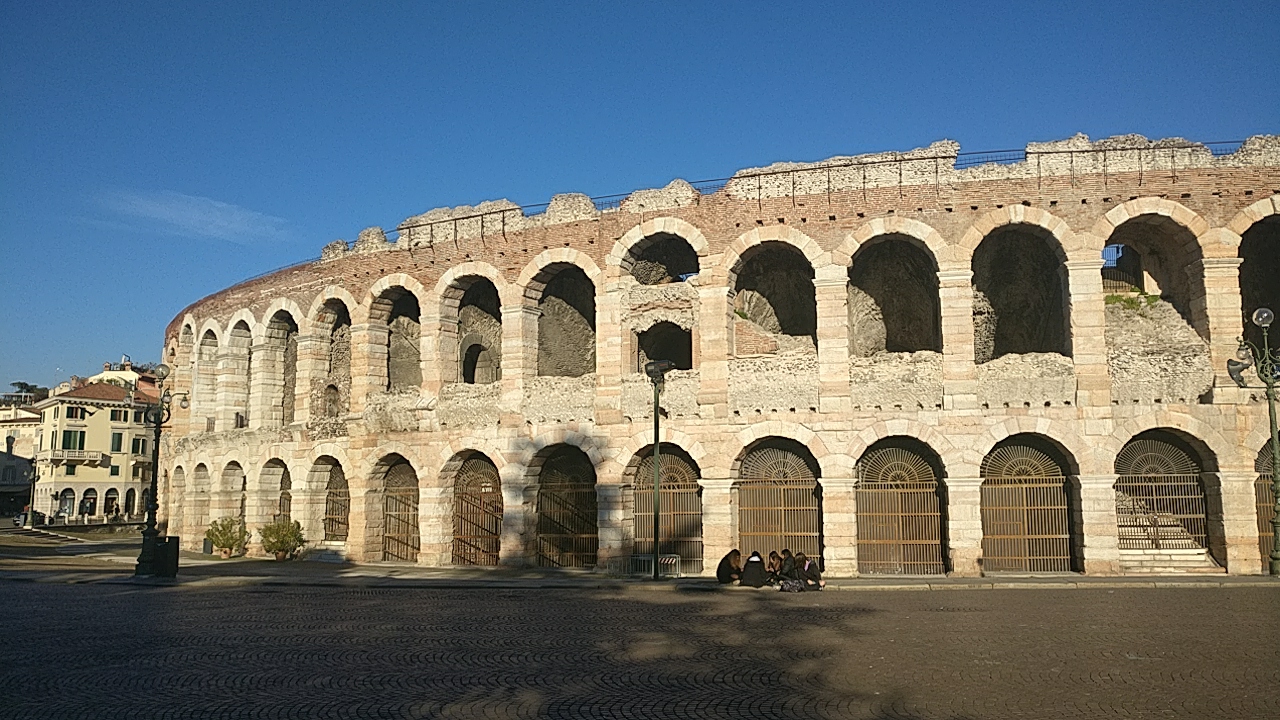
The archive documents buildings, monuments, churches, historical landmarks, and culturally significant locations.
Research-Oriented
The dataset is designed to support cultural exploration, historical research, digital preservation, and educational initiatives.
How the archive is building
The database is created through coordinated acquisition campaigns conducted by a distributed team operating globally.
- 1
Field Acquisition Campaigns
Dedicated acquisition campaigns are organized to systematically capture and catalog culturally significant sites.
- 2
Distributed Local Team
Approximately 40 contributors participated in the project so far, ensuring a good coverage and detailed documentation.
- 3
Continuous Expansion
While the primary focus remains Italy, select international locations are occasionally included to provide broader cultural context.
Project Mission
The project's mission is to create a comprehensive and well-structured archive that supports cultural exploration, historical research, digital preservation, and educational initiatives.
Preservation
To digitally preserve architectural and cultural heritage for future generations.
Accessibility
To make cultural heritage more accessible to researchers, enthusiasts, and the public.
Documentation
To create a reliable and structured visual archive built from authentic and verifiable sources.